
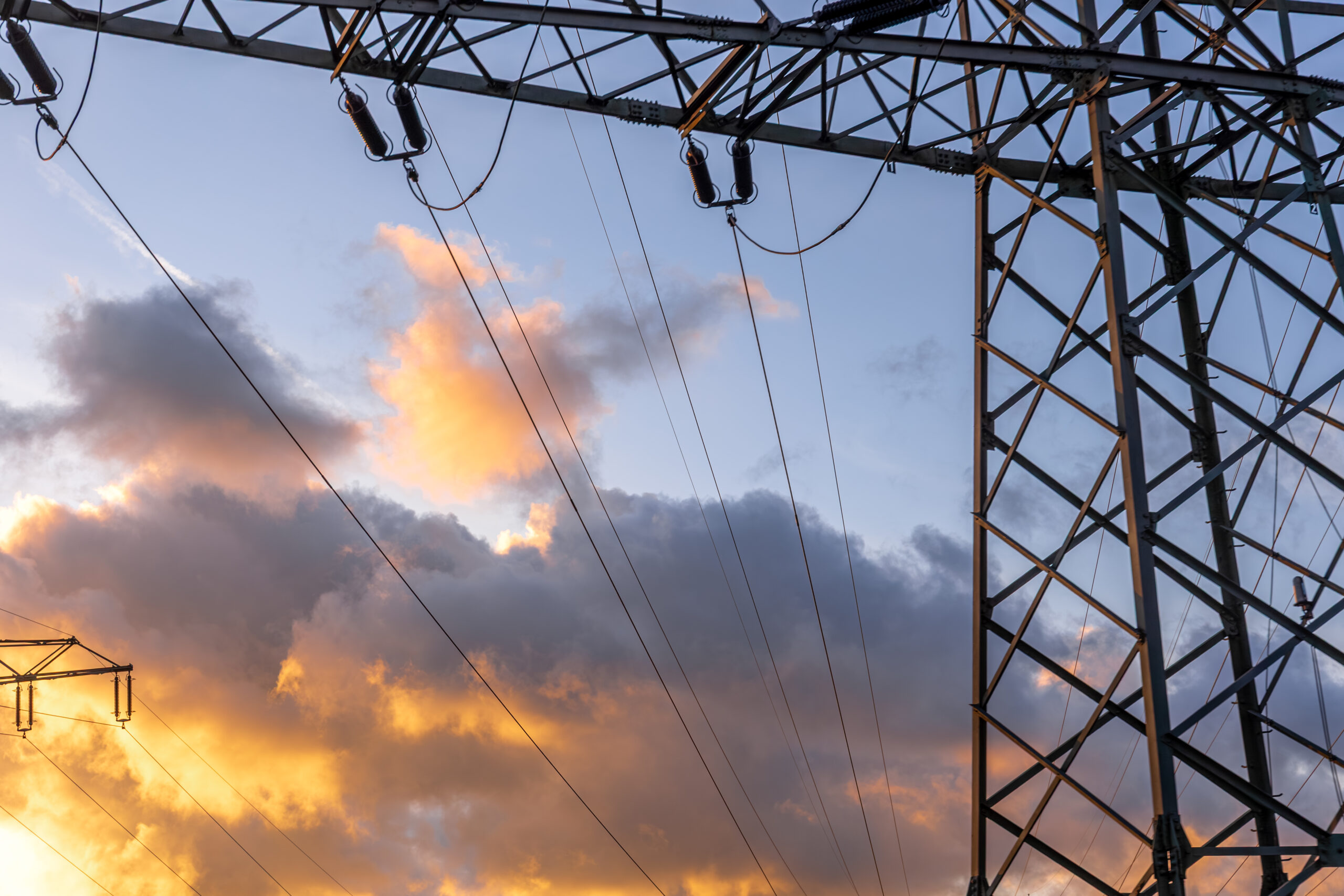
Expensive electricity in Austria: Why network costs are so high
Electricity prices remain a constant topic of discussion – but a large part of the bill is not for the energy price itself, but for the Network costs. These costs now account for a significant portion of the total expenses and are remarkably high in Austria compared to other European countries. A recent study explains why.
What are network costs?
Network costs (network charges) are fees for using the electricity infrastructure. They cover:
- Operation and maintenance of the lines
- Expansion and modernization of the networks
- Integration of renewable energies
- Administration and system stability
They are determined by the regulatory authority. E-Control. Important: Consumers cannot influence these costs by switching providers.
114 network operators – an Austrian peculiarity
According to a study commissioned by the think tank oecolution and conducted by the Economica Institute, there are in Austria 114 electricity grid operators – significantly more than in most other EU countries.
The study shows that this strong fragmentation leads to structural additional costs.
Why?
- Many small network companies cause higher administrative and IT costs.
- Fixed costs are spread across fewer customers.
- Larger units could better utilize economies of scale.
The result: Network costs per household are higher than in countries with more bundled network structures.
Other cost drivers
Besides the structure, other factors also play a role:
- Massive investments in network expansion
- Connection of photovoltaic and wind power plants
- Expansion for e-mobility
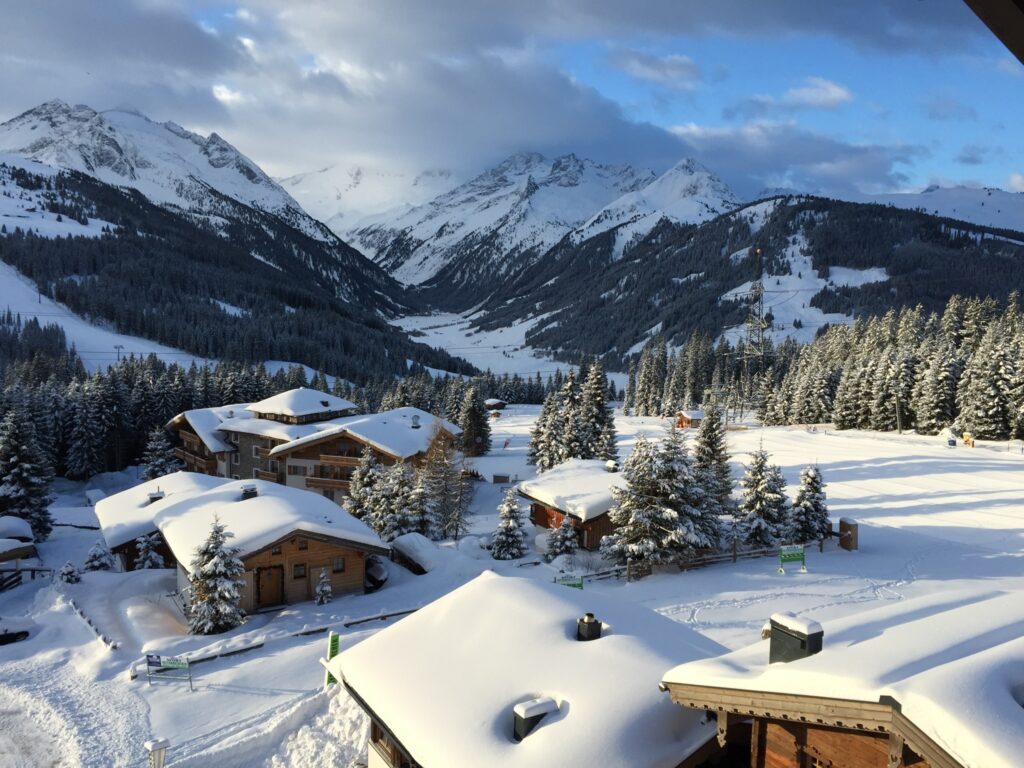
- Rural and alpine regions with higher infrastructure costs
The necessary transformation of the energy system in particular requires billions in investment, which is financed through network charges.
Conclusion
The high network costs in Austria are no coincidence. They are the result of:
- a historically grown structure with 114 network operators,
- missing economies of scale,
- high investments in the energy transition,
- geographical features.
The study by ecolution and Economica This makes it clear: Network fragmentation is a key cost driver – and therefore a potential starting point for future reforms.
(Featured image © Freepik.com)
 Deutsch
 English